Camac Blog
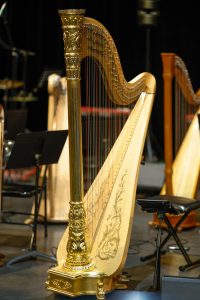
Harpes aux Max: A Celebration of Creativity and Community
May 30, 2025
As Harpes aux Max closes, we reflect on the celebration of creativity and community spirit. We sincerely thank all the committed artists and directors who contributed to this festival's success. Most importantly, we appreciate the outstanding organisation of the local civic authorities, who help us share our love for the harp every two years, right at home! Read more…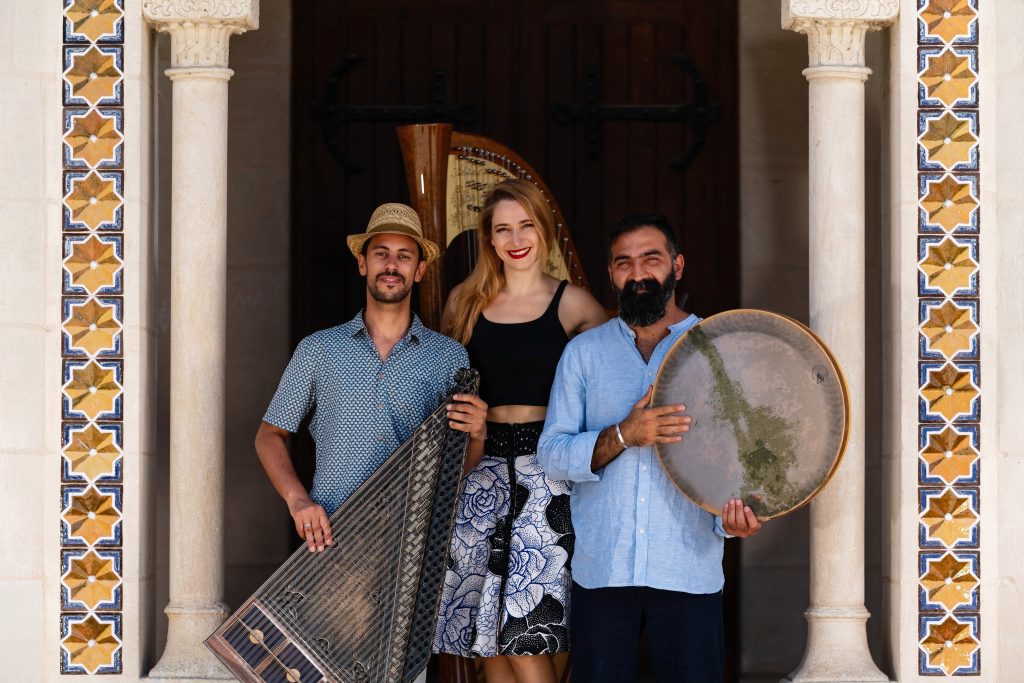
“An ode to joy and nostalgia”: Harkan at the Espace Camac
May 12, 2025
Harkan is a trio led by renowned French harpist Maïa Darmé, featuring Tunisian kanun player Mohamed-Amine Kalaï and Iranian Kurdish percussionist Ebrahim Ahmadi (daf, dayereh, and bendir). Harkan blends sensuous compositions with exhilarating dances and balances the musical influences of East and West. On Saturday, 17 May at 8 pm, they invite the audience of Espace Camac on an enchanting journey to distant lands. Read more…
From New York to Cardiff: The Debut album from the Transatlantic Hot Club !
April 30, 2025
The Transatlantic Hot Club has long been a favourite with us at Camac. Formed in the balmy climes of the Caribbean, the group was founded by Ben Creighton-Griffiths (harp) and Adrien Chevalier (Violin) in 2013, Over two days, the group set up camp in Zoot Studios, Paris, and 'From New York to Cardiff' was born. Read more…
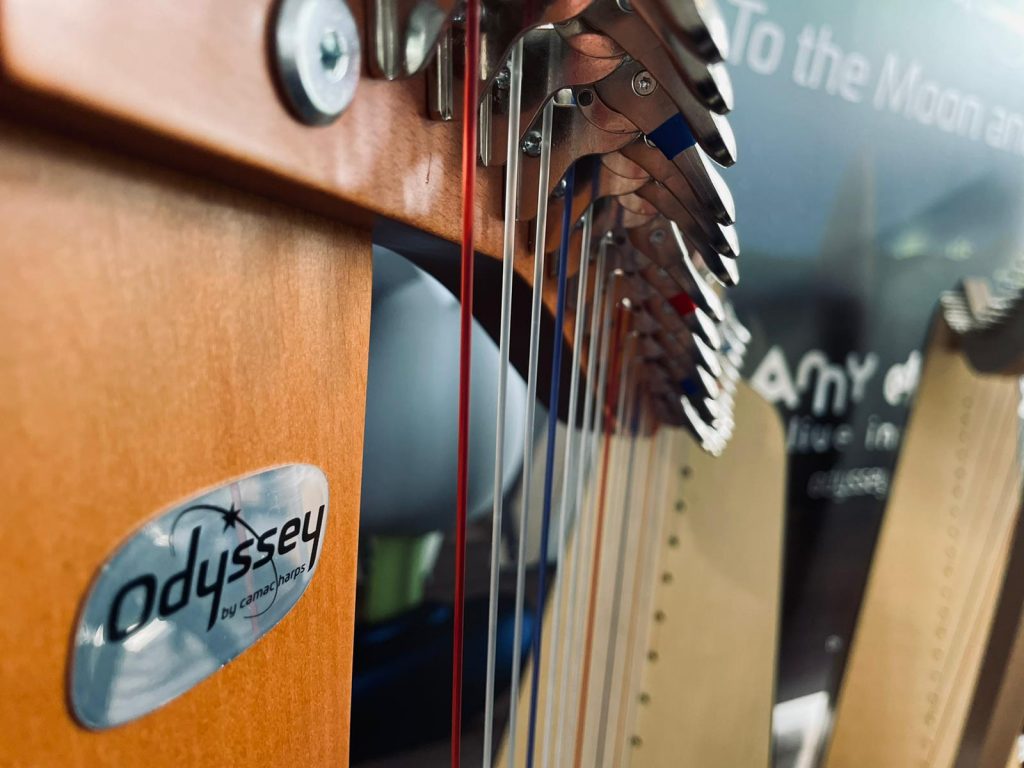
Small But Mighty: Camac and Music for the 27-string harp
April 28, 2025
Here at Camac, however, we celebrate the harp in every form! In 2020, we proudly unveiled our Odyssey harp, tailor-made to fulfil the dreams of musicians creating real magic without sacrificing sound, style, or capabilities (the Odyssey is fully levered). To spark creativity, we commissioned around a hundred exciting arrangements for the 27-string harp from the talented Saori Mouri. Read more…